
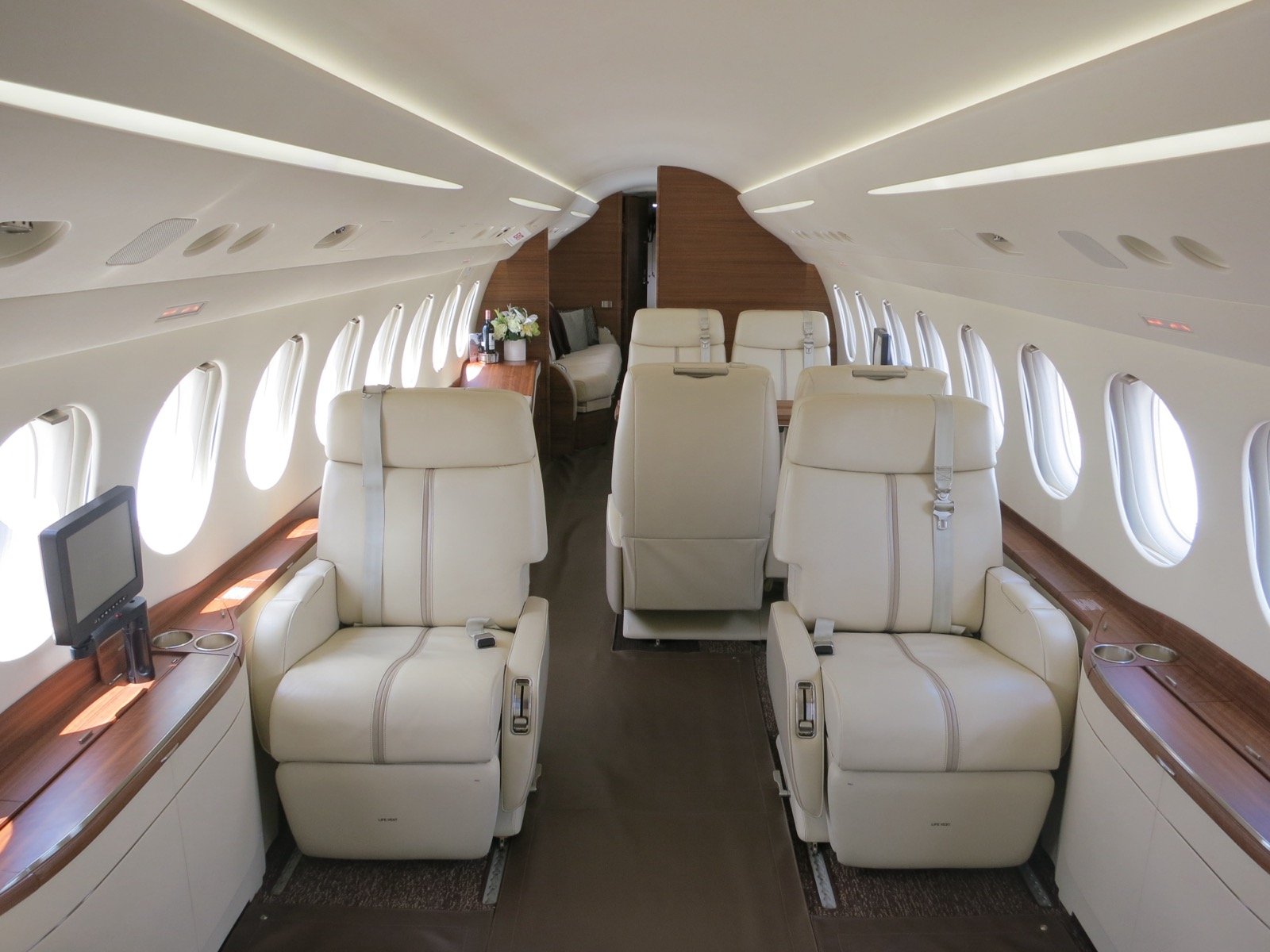
Your first private flight is one of those experiences that permanently changes how you think about travel. The absence of security lines, the quiet efficiency of the FBO, the moment you walk across the tarmac and climb directly into your aircraft. It is a fundamentally different experience from commercial flying, and once you have done it, the old way feels almost unthinkable.
But if you have never flown private before, the process can feel opaque. How does booking work? What happens when you arrive at the airport? What should you wear? How much luggage can you bring? This guide walks you through every step of the experience, from initial inquiry to touchdown at your destination, so you can approach your first charter with confidence.
Step 1: Understanding Your Options
Private aviation is not one size fits all. There are several ways to fly private, each with different cost structures and levels of flexibility.
On Demand Charter
This is the most common entry point for first time flyers. You contact a charter broker like Vanbert, specify your route, dates, and passenger count, and receive quotes for available aircraft. You pay per flight with no long term commitment. Charter is ideal for occasional travelers and those who want flexibility to choose different aircraft and routes each time. For pricing details on the Florida to Bahamas corridor, see our comprehensive cost guide.
Shared Shuttle
Vanbert's shared shuttle program sells individual seats on scheduled charter flights. Starting at $495 per person on popular routes like Fort Lauderdale to Nassau, this is the most affordable way to experience private aviation. You share the aircraft with other travelers, but you still enjoy the FBO experience, skip commercial terminals, and fly on your schedule.
Empty Leg Flights
Empty legs are repositioning flights sold at 40 to 75 percent discounts. They require flexibility on dates and times but deliver the full private charter experience at dramatically reduced cost. For first time flyers who are price sensitive, an empty leg is an excellent way to test the waters.
Step 2: Choosing the Right Aircraft
Your charter broker will recommend aircraft based on your route, passenger count, and luggage requirements. Here is what to expect from each category on the Florida to Bahamas corridor.
Turboprops (4 to 9 passengers): The Pilatus PC-12 and King Air 350 are the most common turboprops on this route. They offer pressurized cabins, comfortable leather seating, and ample luggage space. Flight time from Fort Lauderdale to Nassau is approximately 55 to 65 minutes. Turboprops provide the best value for groups of two to six on short routes.
Light jets (4 to 8 passengers): The Citation CJ3, Phenom 300, and Learjet 75 step up the speed and interior refinement. Flight time drops to 45 to 55 minutes. Cabins are slightly more compact than turboprops but feel more polished, with higher end finishes and improved sound insulation.
Midsize jets (6 to 10 passengers): Aircraft like the Citation Sovereign and Hawker 800 offer stand up cabins, enclosed lavatories, and the most spacious interiors. They are ideal for larger groups or travelers who prioritize cabin comfort above all else.
First Timer Tip
For your first private flight to The Bahamas, a turboprop like the Pilatus PC-12 is an outstanding choice. It offers a genuine private aviation experience at the most accessible price point, with a comfortable cabin, large windows that showcase the stunning overwater views, and enough luggage space for golf clubs or diving gear.
Step 3: The Booking Process
Booking a private charter is simpler than most people expect. Here is the typical flow with Vanbert.
Inquiry: Contact us by phone, email, or through the website with your route, dates, approximate times, and passenger count. If you have aircraft preferences, mention them, but your broker can make recommendations.
Quote: Within hours (often minutes), you will receive one or more options with aircraft details, pricing, and availability. Vanbert quotes are all inclusive, covering the aircraft, crew, fuel, airport fees, and taxes. There are no hidden charges.
Confirmation: Once you select an option, you will receive a charter agreement to review and sign. A deposit (typically 50 percent) secures your booking, with the balance due before departure.
Pre flight details: In the days before your flight, you will receive a confirmation packet with your FBO address, arrival time, crew contact information, and any relevant customs documentation for international flights.
Step 4: What to Expect at the FBO
The FBO is the private aviation equivalent of an airline terminal, but the experience is worlds apart. Here is your step by step walkthrough.
Arrival: Drive directly to the FBO. Most have valet parking; simply pull up to the entrance and hand over your keys. If you are being dropped off, the FBO address takes you right to the front door. Plan to arrive 15 to 20 minutes before your scheduled departure.
Check in: A concierge greets you by name, takes your luggage, and directs you to the lounge. There is no security screening, no ID check at a podium, no boarding pass. For international flights to The Bahamas, you will present your passport and complete any required customs documentation.
The lounge: FBO lounges range from comfortable to luxurious, with complimentary coffee, water, snacks, and often a full bar. Some offer conference rooms, shower facilities, and crew rest areas. Relax here while your aircraft completes final preparations.
Boarding: When the crew is ready, the concierge walks you to the aircraft. You cross the tarmac on foot, often just 50 feet from the lounge door to the aircraft stairs. Your luggage is already loaded. Climb aboard, settle in, and you are ready to depart.
Step 5: During the Flight
Once airborne, the experience is remarkably relaxed. Your pilot will communicate directly with you about flight time, weather, and arrival details. There is no fasten seatbelt announcement or safety demonstration video. The crew will brief you on emergency procedures during their pre flight walkthrough.
Most charter aircraft on the Florida to Bahamas corridor offer complimentary light refreshments, including water, soft drinks, and snacks. If you want specific catering, request it at booking. A cheese and charcuterie board, champagne, or a full lunch can be arranged for a modest additional charge.
The flight itself is one of the highlights. The views crossing the Florida Straits and approaching The Bahamas are extraordinary. Turquoise shallows, sandbars, and scattered islands appear below as you descend, and on clear days the visibility stretches for miles. Take a window seat and have your camera ready.
Step 6: Arrival and Customs
Landing at your Bahamas destination, you taxi directly to the general aviation terminal. Your pilot handles all communication with the control tower and ground services. As you step off the aircraft, an FBO representative will guide you through the customs and immigration process.
For Nassau arrivals, customs processing takes 10 to 20 minutes at the general aviation terminal, far faster than the commercial terminal queues that can stretch to an hour or more during peak season. You will need your passport and a completed Bahamas Immigration Card.
Ground transportation is typically arranged in advance. Whether it is a resort shuttle, a private car, or a taxi, your ride should be waiting when you clear customs. For connections to the Out Islands, inter island charter flights depart from the same general aviation area.
Frequently Asked Questions
What should I wear?
There is no dress code for private charter. Wear whatever is comfortable and appropriate for your destination. Most Bahamas bound travelers dress in resort casual. The FBO and flight crew are accustomed to everything from business suits to flip flops.
How much luggage can I bring?
Luggage capacity varies by aircraft. A Pilatus PC-12 can handle approximately 50 cubic feet of luggage, which accommodates standard suitcases, golf bags, and dive gear. Light jets have smaller baggage compartments, so discuss specific needs with your broker. Soft sided bags are always preferred over hard cases as they fit more efficiently in aircraft cargo holds.
Can I bring pets?
Yes. One of the greatest advantages of private charter is that pets fly in the cabin with you, not in cargo. There are no breed restrictions or carrier size requirements. Bahamas entry does require a veterinary health certificate and proof of rabies vaccination for dogs and cats, so prepare those documents in advance.
Is it safe?
Private charter has an outstanding safety record. All Vanbert partner operators hold FAA Part 135 certification, which requires rigorous maintenance schedules, pilot training standards, and regular inspections. Our safety standards page details the vetting process we apply to every operator in our network.
Can I bring alcohol on board?
Yes. You can bring your own beverages or request catering that includes alcohol. There are no TSA restrictions on liquids since there is no security screening process. Many travelers bring a bottle of champagne to celebrate their first private flight.
Ready for Your First Private Flight?
The Vanbert concierge team specializes in making first time flyers feel at home. Tell us where you want to go and we will handle every detail.
BOOK YOUR FIRST FLIGHT